Is a $20 Rice Cooker Really Worth It? Reddit’s r/BuyItForLife Community Says Yes
Introduction: The Unexpected Kitchen Hero Taking Over Reddit
A simple post about rice cookers just went viral on r/BuyItForLife, racking up over 12,000 upvotes and nearly 2,500 comments. The reason? One person’s passionate plea for everyone to invest in a $20 rice cooker—and the community’s overwhelming agreement that this humble kitchen gadget might be one of the best “buy it for life” purchases you’ll ever make. In an era where kitchen gadgets come and go, a device that costs less than a pizza is proving to be genuinely transformative for home cooks everywhere.
What Is It? The Basics
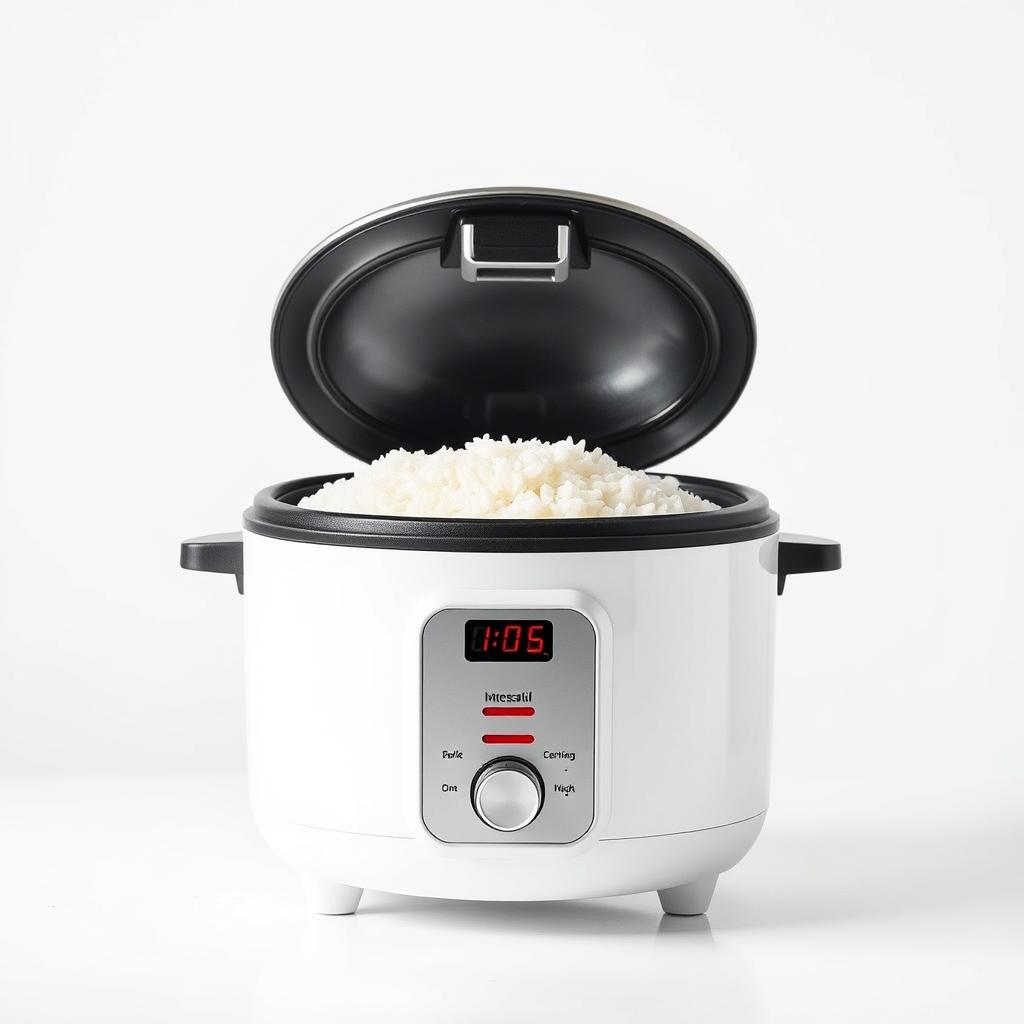
If you’ve never owned one, a rice cooker is elegantly simple: a pot with heating element, a thermostat, and often just one button. You add rice and water in the right ratio, press the button, and walk away. The cooker detects when the rice is done (typically through temperature sensing) and switches to a warm setting. No timers to watch, no burner adjustments, no guessing. It’s kitchen automation at its most unpretentious.
Why Reddit’s r/BuyItForLife Community Is Obsessed
The original post makes a compelling case, but the comment section reveals why this recommendation resonates so deeply. Members of the community describe rice cookers as pure reliability—delivering fluffy, perfectly cooked grains every single time, whether you’re cooking jasmine, basmati, or any other variety. One commenter highlighted a crucial insight: many stovetop rice fails come from user error or inconsistent heat, but a rice cooker removes those variables entirely.
Perhaps most intriguingly, the community revealed a hidden gem: you can find high-end rice cookers (sometimes $300+ models from brands like Zojirushi) on secondhand marketplaces for $20-30. College students and newlyweds who didn’t appreciate their expensive gifts are essentially giving away long-lasting quality to people who will actually use them. This speaks to the durability of rice cookers—they’re built to last decades and survive neglect.
One commenter offered a deeper perspective: once you’ve used a quality rice cooker, going back to the stovetop feels archaic. After experiencing restaurant-quality rice consistently, even expensive rice cooker enthusiasts find themselves unwilling to return to manual methods.
Key Features That Make This a “Buy It For Life” Investment
A true “buy it for life” product needs to be reliable, low-maintenance, and timeless. Rice cookers check all three boxes. They have minimal moving parts—there’s nothing complicated to break. The heating element is robust, and the thermostat mechanism is proven technology that’s been refined for decades. Unlike trendy kitchen gadgets that become obsolete, rice cookers work the same way now as they did 30 years ago. This simplicity is the secret to their longevity.
Most basic models are also dishwasher safe, eliminating the tedious hand-washing that plagues other kitchen tools. This low-friction maintenance means you’ll actually keep using it, which is the real definition of a worthwhile investment.
Pros
- Consistency: Removes the guesswork from rice cooking. Every batch turns out fluffy and properly cooked, regardless of your stovetop or attention span.
- Hands-off cooking: Set it and forget it. Perfect for busy weeknights when you’re juggling multiple dishes or tasks.
- Affordability: Quality models start at just $20, making this an incredibly accessible investment with fast ROI if you eat rice regularly.
- Easy cleanup: Non-stick inner pots and dishwasher-safe components mean minimal effort after the meal.
- Built to last: Rice cookers are remarkably durable appliances with few failure points. Many people report 10-20+ years of reliable use.
- Versatility: Beyond rice, users report making hot pot, steaming vegetables, and preparing other grains.
- Secondhand gold: High-end models frequently appear on used marketplaces at fraction of retail price, offering exceptional long-lasting quality on a budget.
Cons and What to Know
- Kitchen space: One commenter validly pointed out that in cramped kitchens, an additional appliance—even a small one—can be burdensome. You need counter or cabinet real estate.
- Quality variance in budget models: While the original post advocates for the cheapest option, some community members report that ultra-cheap models have inconsistent results. Budget models aren’t all equal; a bit of research into reviews helps.
- Only worth it if you eat rice: If rice appears on your table less than once a week, the convenience gains diminish significantly.
- Learning curve (minimal): You do need to nail the rice-to-water ratio, though most cookers come with instructions or cups that measure correctly.
Who Is It Best For?
This is ideal for anyone who eats rice regularly—whether that’s several times a week or as a foundation for weeknight curry, stir-fries, or grain bowls. It’s especially valuable for people new to cooking who want to eliminate variables and build confidence. However, it’s also perfect for experienced cooks who simply prefer consistency and convenience over the minor satisfaction of stovetop control.
The Bottom Line: Should You Buy It?
For $20, the risk is minimal and the upside is genuine. A rice cooker is one of those rare purchases that truly delivers on the “buy it for life” philosophy—it’s affordable, reliable, requires almost no maintenance, and will likely outlast your current kitchen. The r/BuyItForLife community’s enthusiasm isn’t hype; it’s practical experience from people who care about value and durability.
If rice appears on your dinner table more than once a month, this is worth the investment. You’ll get better results, save time, and own a tool built to last. And if you stumble across a high-end model at a thrift store or secondhand marketplace? That’s simply a gift from the cooking gods—snatch it up immediately.